
High School
Our teaching resources for secondary schools
A constitution for the Moon
In this resource, students will debate some of the organizational and social features of a future colony on the Moon, and make connections with their local community. Students will be guided through the activity by a series of debate questions,...

Clean up the space
How can we capture debris in space? In this educational resource, we'll learn how to make our own tentacle-shaped robotic arm that will help us capture debris, represented by Lego pieces. We'll also compare different adhesive surfaces to help us...

Coming back to Earth safely
How can we slow satellites down so that they return to Earth? In this educational resource, we'll find out how the force of drag can help satellites slow down. We'll conduct an experiment using helicopter propellers and try to slow them down using...

Visualizing climate change from space
climate More than half of ESA's budget is allocated to Earth observation as part of the Copernicus program. These data are very useful to climatologists working on IPCC reports. The IPCC reports detail all the links between human activities, the...
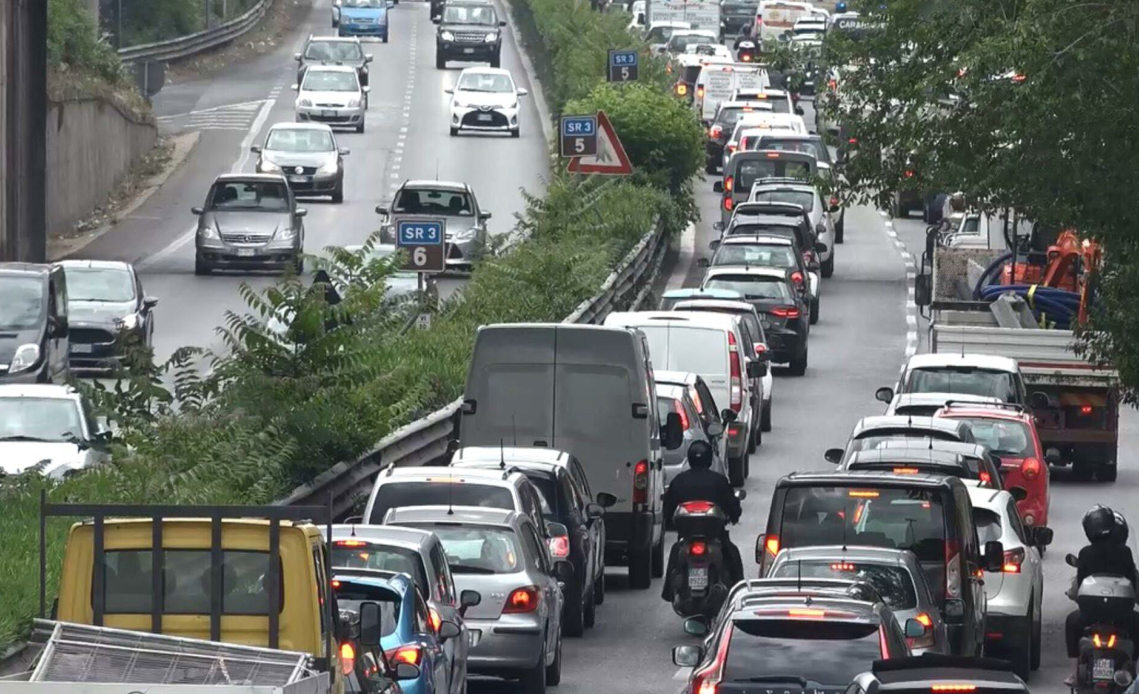
Mini case study for Climate Detectives on air pollution
Brief description The Climate Detectives mini-case studies are designed to help teachers identify the topic their team will be investigating, and to guide them through the various phases of the project.In this document, teachers will find suggestions for different...
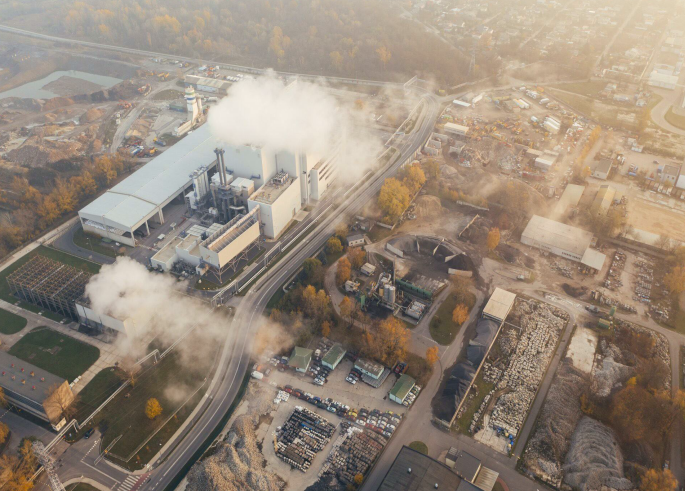
Mini case study for Climate Detectives on greenhouse gases
In brief This mini-case study focuses on climate change and greenhouse gases. Students will study how emissions and concentrations of greenhouse gases in the atmosphere have evolved in their country over recent decades. In detail The mini-case studies for Climate...
Discovering life on Mars with a rover
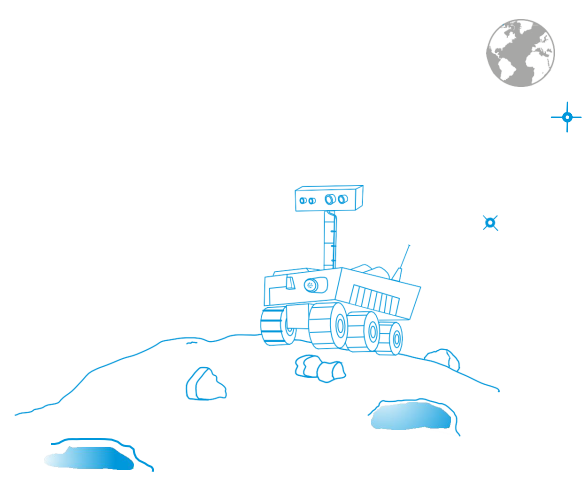
A Mars rover must move itself and send information about Mars to Earth.But how does he know exactly what to do? A programmer writes a series of steps that the robot executes in sequence. For example, the Mars rover performs steps such as "deploy solar panels", "deploy...
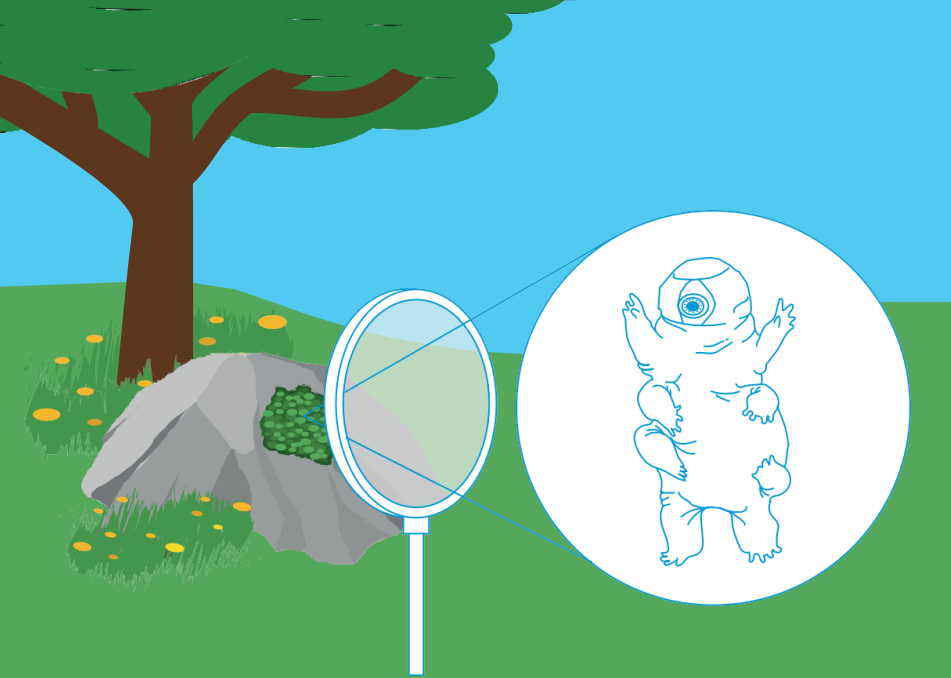
Teddy bears from space
Ressources Matières: Biology Âge: 12-16 years Duration: 2 hours 20 minutes Documents pour élèves et enseignants Laboratory experiment with tardigrades In this set of experimental activities, students will examine the survival abilities of tardigrades, tiny animals...
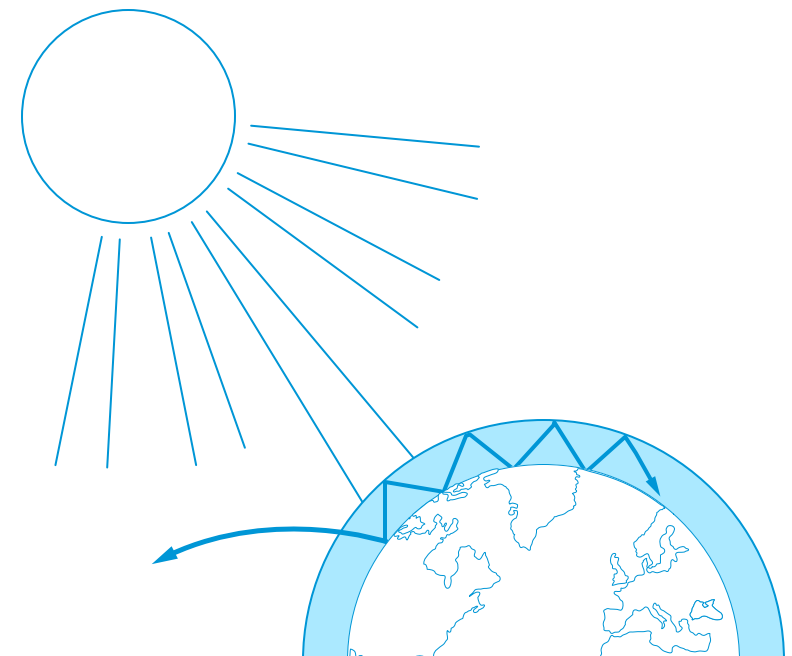
Impact of climate change on Luxembourg, using satellite data
Ressources Matières: Geography, Physics, Science Âge: 15-19 years Duration: 45 minutes per activity Documents Causes and consequences in Luxembourg Using the Luxembourg context, this set of activities includes the interpretation of satellite images to better...
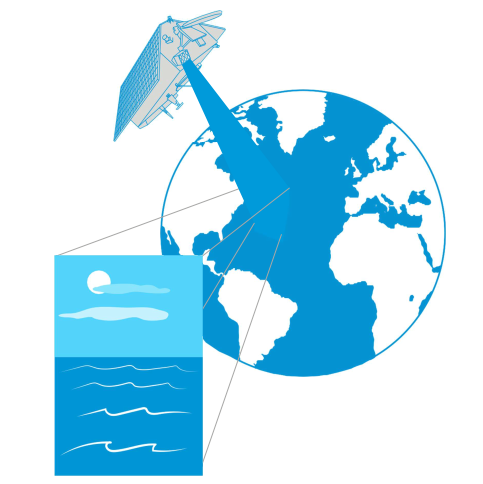
Ocean highways
Ressources Matières: Geography, Science, Physics Âge: 12-15 years Duration: 45 minutes per activity Resources Ocean currents and their link to climate In this series of activities, students will use a multimedia module to learn about ocean currents, ocean highways and...
Maths in space – Principia Mission – Pack 2
Ressources Matières: Mathematics Âge: 11-16 years Duration: 2 hours Resources Study of combinations, permutations, factorials and probabilities as part of Tim Peake's mission aboard the International Space Station (ISS). On December 15, 2015, European Space Agency...

Cooking a comet
Ressources Laboratory activities Matières: Physics, astronomy, chemistry Âge: 14-18 years Duration: 20 minutes to 1 hour Resources Ingredients for life? Comets are, so to speak, time capsules containing information about the early history of the Solar System. To...
Searching for life on Mars
Ressources Laboratory activities Matières: Biology, chemistry Âge: 10-14 years Duration: 45 minutes Resources Sample analysis, search for signs of life In these activities, students will look for evidence of life in three samples resembling the soil of Mars, and...

Useful data sources for Climate Detectives
Analyze data related to the evolution of our climate Brief description This page lists interactive tools and data sources related to our changing climate. It also allows us to understand how to fight against climate change. Carbon accounting Climate Trace: What are...
OUR LATEST NEWS
Keep up to date with our news
Stay informed! Follow our news page to keep up to date with our Esero project. General news, teacher training or teaching resources, find all the news at Esero.
20 years of ESERO: bringing space to millions of students
Caption: Celebrating 20 years of ESERO - Credit: ESA In 2006, ESA launched the first European Space Education Resource Office (ESERO) in the Netherlands. Its mission was clear and ambitious: support teachers to use the excitement of space...
105 water rockets launched at Kirchberg
3, 2, 1... Lift off! Water Rocket Challenge sets the European Lux I School alight Last week, Kirchberg's Central Park was transformed into a veritable space launch pad. As part of the Water Rocket Challenge, no fewer than 35 teams of students took up the...
We’ve built lunar bases
The Moon Camp project set up shop at the Luxembourg Science Center this week, welcoming around 60 children ready to take on one of mankind's greatest challenges: designing a habitable base on the Moon. Divided up into teams, the budding scientists had to demonstrate...
A team in Frascati: Climate Detective Summit @ ESRIN
We told you a few weeks ago that, following the national finals of the Climate Detectives 2026 competition, the winning students had secured their ticket to represent the Grand Duchy at European level. And now they have! Nika Obrovac, Karolina V.L. Yazbeck and Saule...